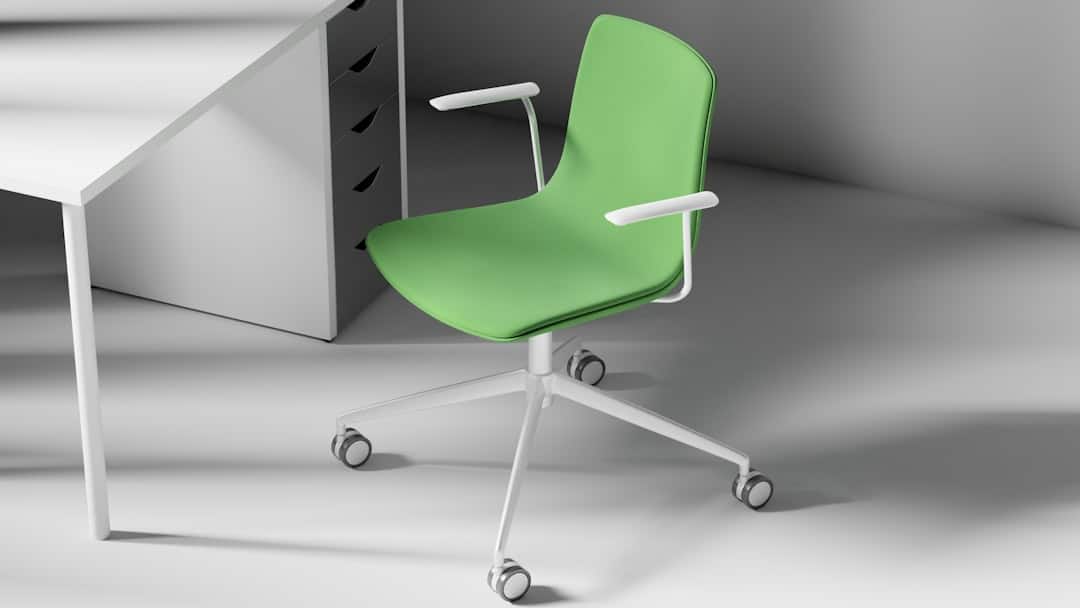
Your Back Is Paying the Price for How You Sit
Active sitting office chairs are ergonomic seats designed to keep your body in subtle, continuous motion while you work — engaging your core muscles, improving posture, and reducing the back pain that comes from staying frozen in one position all day.
Quick answer — best active sitting chair by use case:
| Use Case | Best Chair Type | Price Range |
|---|---|---|
| Standing desk users | Wobble stool or perch stool | $90 – $170 |
| General office work | Active task chair or suspension chair | $170 – $500 |
| Back pain relief | Saddle chair or kneeling chair | $200 – $1,100+ |
| Budget buyers | Balance ball chair | $50 – $100 |
| Premium ergonomics | HÅG Capisco or CoreChair | $500 – $1,750 |
Here’s the uncomfortable truth: the average American sits for 11 hours per day. That kind of stillness isn’t just uncomfortable — research consistently links prolonged sedentary behavior to serious health consequences.
Peter Opsvik, the designer behind the Varier line of active chairs, put it simply: “The best position is always the next one.” That philosophy is the entire foundation of active sitting.
The idea isn’t to sit perfectly still in a “correct” posture. It’s to keep moving — gently, constantly — so your spine, muscles, and circulation never get stuck.
This guide breaks down the best active sitting office chairs available, what to look for, and how to find the right fit for your body, your desk, and your budget.

Understanding the Active Sitting Office Chair
When we talk about an active sitting office chair, we are moving away from the idea of a chair as a “throne” that holds you in a fixed position. Traditional chairs are passive; they do all the work, allowing your muscles to switch off. An active chair, by contrast, requires a partnership between the seat and your body.

Defining the Active Sitting Office Chair
At its core, active sitting (also known as dynamic seating) is about movement. These chairs use various mechanisms—pivoting bases, flexible seats, or unstable surfaces—to create a “micro-environment” of motion.
When you sit on an active sitting desk chair for posture & back pain, your body performs constant, tiny adjustments to stay balanced. These micro-movements stimulate your proprioception (your body’s ability to sense its position) and keep your metabolism ticking. Instead of your core muscles going dormant, they remain lightly engaged, which protects your spine from the “slump” that happens when we get tired.
Why Traditional Chairs Fail Your Back
Traditional office chairs often feature heavy padding and rigid lumbar supports. While they feel comfortable for the first ten minutes, they often encourage “passive sitting.” Over time, this leads to:
- Lumbar Slouching: As your muscles fatigue, your lower back rounds, putting immense pressure on your spinal discs.
- Pelvic Tilt: Most chairs allow the pelvis to tilt backward, which collapses the natural curve of the spine.
- Muscle Atrophy: If the chair holds you up entirely, your deep stabilizing muscles eventually weaken.
- Circulation Restriction: Static posture acts like a kink in a garden hose, slowing down blood flow and oxygen delivery to your brain and tissues.
Health Benefits of Switching to Dynamic Seating
Switching to an active chair isn’t just about avoiding pain; it’s about upgrading your physiology. Research from the Mayo Clinic highlights the importance of NEAT (Non-Exercise Activity Thermogenesis)—the energy we burn during everyday tasks that aren’t formal exercise. Active chairs turn sitting into a NEAT activity.
Improving Posture and Core Strength
The best active chairs, such as the Corechair Classic Active Seating, focus on the pelvis. By stabilizing the pelvis in a neutral position, the rest of the spine naturally stacks itself in an upright, healthy alignment.
Because the seat is slightly unstable, your abdominal and back muscles must work to keep you centered. This constant, low-level engagement acts like a “hidden workout” for your core. Over weeks and months, this strengthens the very muscles that prevent future back injuries. Furthermore, many active chairs lack armrests, which encourages you to sit “autonomously” rather than leaning to one side, which can cause spinal misalignment.
Boosting Energy and Mental Clarity
Have you ever noticed how a quick walk clears your head? Movement increases blood flow and oxygenation. By incorporating active sitting desk chairs for posture & back pain into your routine, you bring that “walking” benefit to your desk.
For individuals with ADHD, active chairs can be a game-changer. The ability to rock, tilt, or “fidget” in a controlled way helps satisfy the body’s need for movement, which often leads to better focus on the task at hand. It’s not just about the back; it’s about the brain.
Top Types of Active Sitting Office Chairs for Every Workspace
Not all active chairs are built the same. Depending on your desk setup and your specific pain points, you might prefer one “flavor” of movement over another.
| Chair Type | Movement Style | Best For |
|---|---|---|
| Wobble Stool | 360-degree tilt & swivel | Standing desks & quick tasks |
| Saddle Chair | Open hip angle (perching) | Dental/Medical & precision work |
| Kneeling Chair | Forward tilted pelvis | Shifting weight from lower back |
| Balance Ball | Bouncy, unstable surface | Budget-friendly home offices |
| Suspension Chair | Spring-based “floating” seat | Chronic back pain relief |
The Versatility of the Wobble Stool
The wobble stool is the darling of the modern office. Products like the Active Seat | Standing Desk Chair | Vari® feature a weighted, non-slip base that allows you to tilt in any direction. These are perfect for standing desk users because they allow for “perching”—a halfway point between sitting and standing that keeps your legs engaged without the fatigue of full standing.
Ergonomic Benefits of Saddle and Kneeling Chairs
Saddle chairs, modeled after equestrian saddles, force your hips into an open angle (usually 120 to 135 degrees). This prevents the “C-shape” slouch and encourages a natural lumbar curve.
Kneeling chairs, on the other hand, shift some of your weight to your shins, which rotates the pelvis forward. This is excellent for reducing pressure on the lower back discs. When looking for high-end options, smart active sitting chairs offer a suspension-style seat that moves with you, providing the benefits of a stool with the support of a traditional backrest.
How to Choose the Right Active Sitting Office Chair
Buying an active sitting office chair is a personal decision. What works for a 6’4″ software engineer might not work for a 5’2″ freelance writer.
Choosing Your Active Sitting Office Chair by Desk Setup
First, look at your desk. If you have a standard-height desk, you need a chair that can go low enough (usually starting around 18-20 inches). If you use a standing desk, you need an active seat for standing desks with a higher range (up to 32 inches) to allow for perching.
Consider your floor surface too. Wobble stools with rubberized bases work best on hard floors or low-pile carpets. If you have a thick rug, you might need a chair with specialized casters.
Key Features: Adjustability and Stability
When evaluating a chair, check for these vital specs:
- Height Range: Ensure the air-lift piston covers your specific height and desk needs.
- Weight Capacity: Most quality active chairs support 250 to 300 lbs.
- BIFMA Standards: Look for chairs tested to BIFMA X5.1 standards for durability.
- Seat Material: Since you’ll be moving, breathable fabrics or high-quality “Renna” upholstery (found in Hacker active sitting chairs) are preferable to keep you cool and comfortable.
- Assembly: Some chairs, like the Vari Active Seat, come fully assembled, while others require 10-15 minutes of setup.
Frequently Asked Questions about Active Seating
Can active sitting chairs really relieve chronic back pain?
Yes, for many people. By encouraging “micro-movements,” these chairs prevent the static loading of spinal discs. Some users of suspension-style chairs report a 98% reduction in sitting-related back pain within the first month. However, they are best used as a supplement to a healthy lifestyle, not a replacement for medical treatment.
How long does it take to adjust to an active chair?
There is a “break-in” period for your body. Because you are using muscles that may have been dormant for years, you might feel some slight muscle soreness (like after a light workout) for the first few days. Most people fully adjust within 1 to 2 weeks.
Are active chairs suitable for full 8-hour workdays?
It depends on the chair. Stools and balance balls are often best used in intervals (2-3 hours at a time). However, more advanced designs like the Corechair Classic or SpinaliS models are specifically engineered for full-day use, providing enough support to prevent fatigue while still allowing movement.
Conclusion
The journey to a pain-free back doesn’t require you to stop sitting; it requires you to sit better. By choosing an active sitting office chair, you are investing in your long-term spinal health, boosting your daily energy, and protecting yourself against the risks of a sedentary lifestyle.
At Dims Finance, we believe in science-based advice to help you build a workspace that works for you. Whether you choose a wobble stool for your standing desk or a premium saddle chair for your home office, the key is to keep moving. Your back will thank you.
For more guides on optimizing your workspace for health and productivity, explore our latest info about ergonomic office furniture.