
Health Benefits of an Ergonomic Left Handed Wireless Mouse
When we talk about “sinister comfort,” we aren’t talking about anything dark—”sinister” is simply the Latin word for “left.” For too long, lefties have been forced to adapt to a right-handed world, particularly in the office. Using a standard mouse requires wrist pronation, which is a fancy way of saying your palm is forced to lay flat against the desk. This rotates the radius and ulna bones in your forearm, putting constant tension on your muscles and tendons.
By switching to an ergonomic left handed wireless mouse, you immediately unlock several key health benefits:
- Reduction of Carpal Tunnel Pressure: Standard mice put direct pressure on the carpal tunnel area of the wrist. A vertical or angled design shifts that pressure to the sturdier outer edge of the hand.
- Neutral Posture: These mice promote the “handshake grip.” This position keeps your forearm bones parallel and relaxed, significantly reducing muscle fatigue during eight-hour workdays.
- Prevention of Tendon Strain: Repetitive clicking and scrolling on a flat mouse can lead to tendonitis. Ergonomic models often feature contoured shapes that allow your fingers to rest in a natural curl rather than a strained extension.
- Shoulder and Neck Relief: Believe it or not, wrist strain travels upward. When your hand is in an awkward position, your elbow flares out, causing your shoulder to tense and your neck to stiffen. A proper ergonomic-keyboard-and-mouse-setup-for-enhanced-comfort ensures your entire upper body remains aligned.
Scientific research on ergonomic mouse benefits, such as those highlighted by Kensington, suggests that even a slight incline—like the 41° angle found in their Pro Fit model—can measurably reduce muscle activity in the forearm.
Key Features and Design Comparisons
Not all left-handed mice are created equal. When we evaluate an ergonomic left handed wireless mouse, we look at several technical factors that impact your daily productivity.
Connectivity: 2.4GHz vs. Bluetooth
Most wireless mice offer one of two ways to connect. A 2.4GHz USB receiver (the little “dongle”) provides a rock-solid, lag-free connection. However, if you are using a modern laptop with limited ports, a Bluetooth model like the Elecom EX-G is a lifesaver, allowing you to connect directly to the device without a dongle.
Sensitivity: DPI Levels
DPI stands for “Dots Per Inch.” A higher DPI means the cursor moves further with less physical hand movement. This is crucial for ergonomics because it allows you to navigate a large screen with tiny, effortless twitches rather than large, sweeping arm movements. Many of the best models, like the Perixx PERIMICE-713L, offer adjustable levels (800/1200/1600 DPI) so you can find your “Goldilocks” speed.
Design Styles
| Mouse Type | Best For | Pros | Cons |
|---|---|---|---|
| Vertical | Chronic wrist pain | Eliminates pronation entirely | Learning curve for precision |
| Angled (41°-45°) | General comfort | Easier transition from flat mice | Still some minor wrist rotation |
| Ambidextrous | Shared workstations | Symmetrical and familiar | Lacks thumb support for lefties |
| Joystick-Style | Severe RSI | Maximum neutral position | Can be bulky; less portable |
Choosing the right design is the first step toward wireless-keyboard-and-mouse-combos-for-seamless-work.
Top Recommendations for Left-Handed Users

Finding a high-quality ergonomic left handed wireless mouse used to be like finding a needle in a haystack. Today, several top-tier brands have stepped up.
1. Logitech Lift Left Vertical
This is currently the gold standard. It features a 57° vertical angle that “lifts” your wrist off the desk. With a 4.5-star rating from over 10,000 users, it’s praised for its “SmartWheel” which shifts from precision to speed scrolling instantly. It is specifically designed for small-to-medium hands.
2. Perixx PERIMICE-713L
If you’re looking for the best bang for your buck, this is it. For under $25, you get a full 6-button vertical mouse with a 10-meter wireless range. It’s a favorite for those trying a vertical design for the first time without committing to a premium price tag.
3. Kensington Pro Fit Left-Handed Ergo
Kensington worked with ergonomists to settle on a 41° incline. It’s slightly less aggressive than a full vertical mouse, making it an excellent “bridge” for people who find vertical mice too strange. It also features 128-bit AES encryption, making it a secure choice for office environments.
4. Cherry MW 4500 Left
The Cherry MW 4500 Left is unique because of its 45° tilt. It’s designed to be incredibly lightweight and features an abrasion-resistant surface, meaning it won’t look “shiny” or worn out after a few months of heavy use.
5. Logitech MX Vertical
While the “Lift” is for smaller hands, the Logitech MX Vertical Ergonomic Wireless Mouse is the powerhouse for those with larger hands. It’s rechargeable via USB-C and can stay powered for up to four months on a single charge.
Top Picks for an Ergonomic Left Handed Wireless Mouse
Beyond the heavy hitters, there are specialized options that cater to specific needs:
- The Silent Professional: The Elecom EX-G is famous for its “silent click” technology. If you work in a quiet library or a shared office and don’t want to drive your neighbors crazy with click-click-click, this is your best bet. It also has a unique “Pinky Rest” to prevent your smallest finger from dragging on the desk.
- The Budget King: The Lekvey Left Handed Mouse is a frequent bestseller on Amazon with a 4.2-star rating. It’s rechargeable, meaning you’ll never have to hunt for AAA batteries in the middle of a deadline.
- The Productivity Specialist: The Logitech Signature M650 L Left is a traditional-shaped mouse but sculpted specifically for the left hand. It’s ideal for users who don’t like the vertical “fin” look but want the comfort of a contoured thumb rest and soft side grips.
How to Size Your Ergonomic Left Handed Wireless Mouse
One of the biggest mistakes we see in workplace ergonomics is using a mouse that is too big or too small. If the mouse is too large, you’ll find yourself “reaching” for the buttons, which strains the knuckles. If it’s too small, your hand will cramp into a “claw” position.
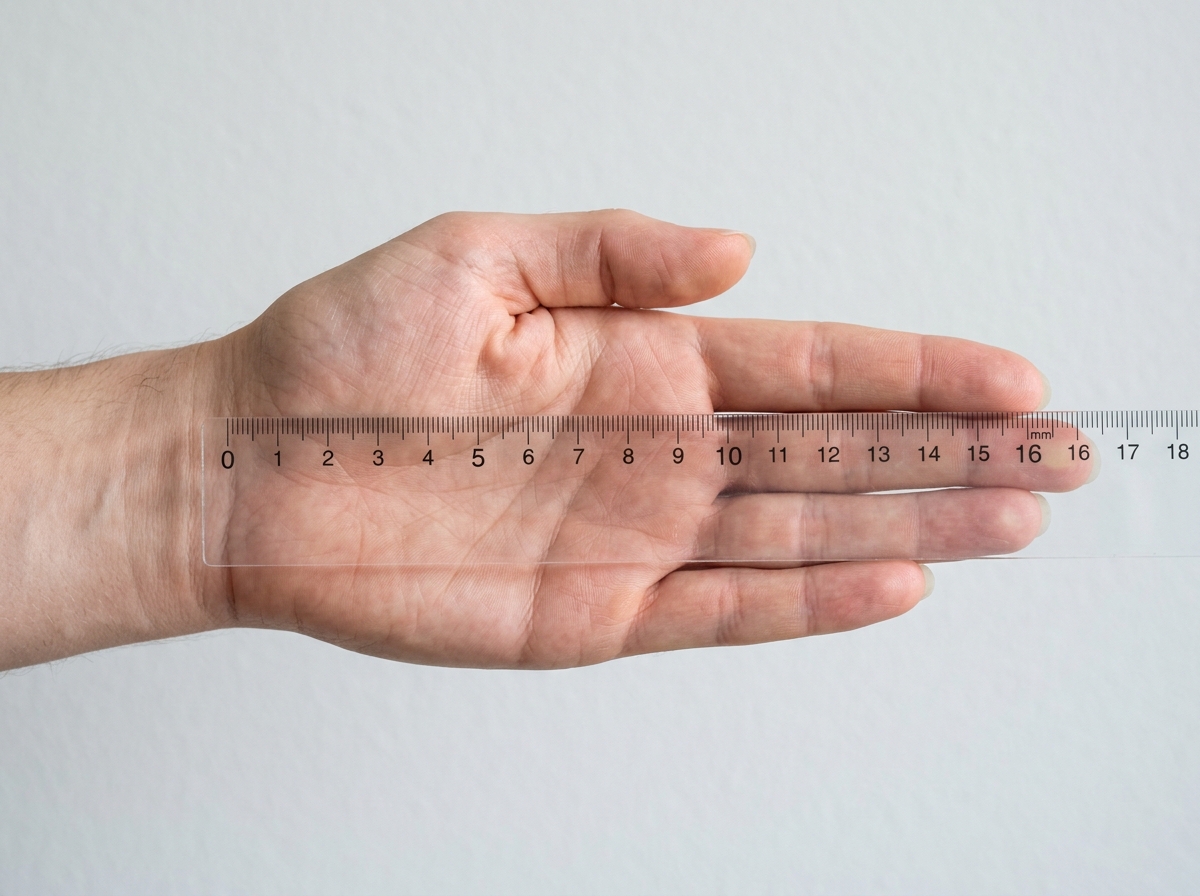
How to measure:
- Take a ruler and measure from the base of your palm (at the first crease of your wrist) to the tip of your middle finger.
- Small/Medium: Under 17.5 cm (6.9 inches). Look for the Logitech Lift Left or Kensington Pro Fit.
- Large: Over 19 cm (7.5 inches). Look for the Logitech MX Vertical or Perixx PERIMICE-713L.
Sizing Tips for Lefties:
- Palm Grip: If you rest your whole hand on the mouse, prioritize a high “arch” or a vertical design.
- Claw Grip: If you only touch the mouse with your fingertips, look for a model with a shorter body.
- Weight Matters: A lighter mouse (like the 90g Elecom) is better for preventing wrist fatigue, while a heavier mouse offers more precision for graphic design.
Frequently Asked Questions
Is a vertical mouse better for carpal tunnel syndrome?
Yes, in most cases. Carpal tunnel syndrome is caused by pressure on the median nerve. When your hand is flat, that nerve is compressed against the desk. A vertical ergonomic left handed wireless mouse rotates the hand so the “meaty” part of your palm takes the weight, significantly reducing nerve compression.
Can I use a left-handed ergonomic mouse on macOS and ChromeOS?
Most modern wireless mice are “Plug-and-Play,” meaning they work instantly on Windows, macOS, and ChromeOS. However, some advanced customization software (like Logitech Options or KensingtonWorks) may have specific system requirements. Always check the box if you plan on remapping all six buttons on a Mac.
What is the best budget ergonomic left handed wireless mouse under $30?
The Perixx PERIMICE-713L and the Lekvey rechargeable model are the top contenders. Both offer excellent vertical ergonomics and reliable wireless connectivity for around $20–$25, making them accessible entry points for anyone looking to improve their desk setup.

Conclusion
At Dims Finance, we believe that your workspace should work for you, not against you. Investing in an ergonomic left handed wireless mouse isn’t just about buying a new gadget—it’s about injury prevention and long-term well-being. By choosing a mouse that respects your natural anatomy, you can boost your productivity and leave the office without the nagging wrist pain that so many left-handers have simply “learned to live with.”
Whether you opt for the premium feel of the Logitech Lift or the budget-friendly reliability of the Perixx, your body will thank you for making the switch to a neutral handshake grip. For more tips on optimizing your office, check out our guides on desk accessories to ensure your setup is as efficient as it is comfortable. Stay healthy, stay productive, and stay sinister!